Navigational Therapy | Crystal Connection | Artistic Expression | Creative Journaling
The Space Between
There is a word that keeps returning to me:
Encounter.
I have spent much of my life encountering things — people, animals, landscapes, ideas, experiences — and noticing what happens when one living being meets another, or when a person finds themselves somewhere unfamiliar.
Perhaps that is what has drawn me, again and again, towards the liminal.
The liminal is the space between.
Between what was and what will be.
Between the familiar and the unfamiliar.
Between certainty and possibility.
Between who we have been and who we might become.
It is not necessarily a place we need to leave as quickly as possible.
Sometimes it is a place where something important can be encountered.
Encounter
An encounter is different from an intervention.
An intervention implies that someone knows what needs to happen and applies something to another person.
An encounter is less predictable.
Something meets something else.
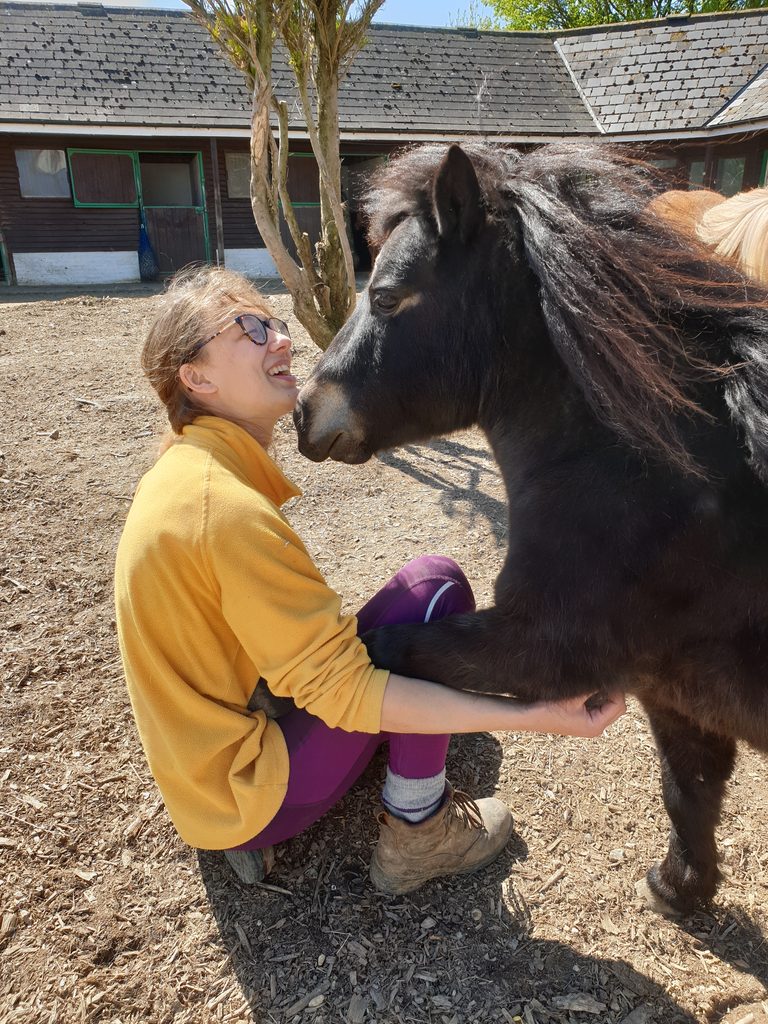
A person meets a horse.
A child meets a landscape.
A pupil meets a rat and discovers that what they believed about rats was not quite true.
Two people meet in a room and, for a moment, the usual roles fall away.
A person meets a part of themselves that they have not previously been able to see.
We cannot entirely control what comes from an encounter.
And perhaps that is precisely why encounters can matter.
The familiar and the uncanny
I have always been fascinated by the boundary between the familiar and the unfamiliar.
The familiar is what we recognise. It gives us a point of reference.
The uncanny is what feels almost familiar, but not quite.
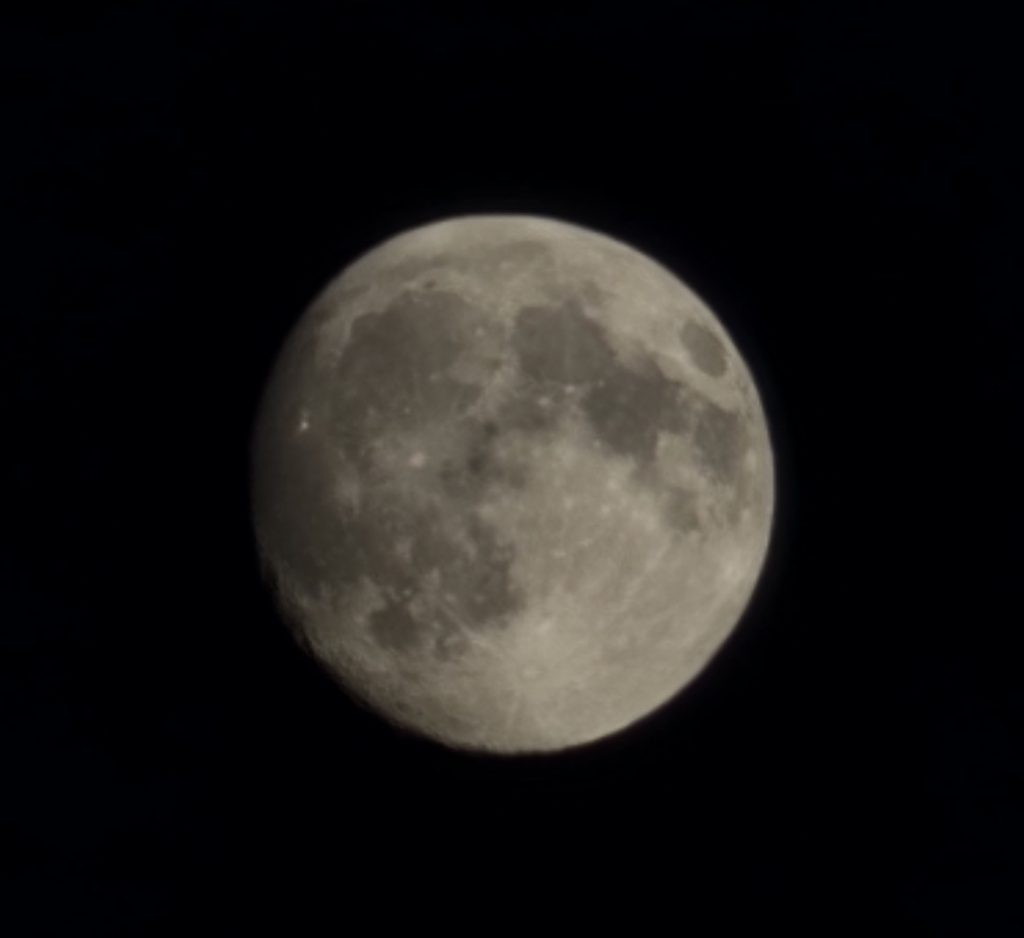
It makes us pause.
I know this — but I have never seen it like this before.
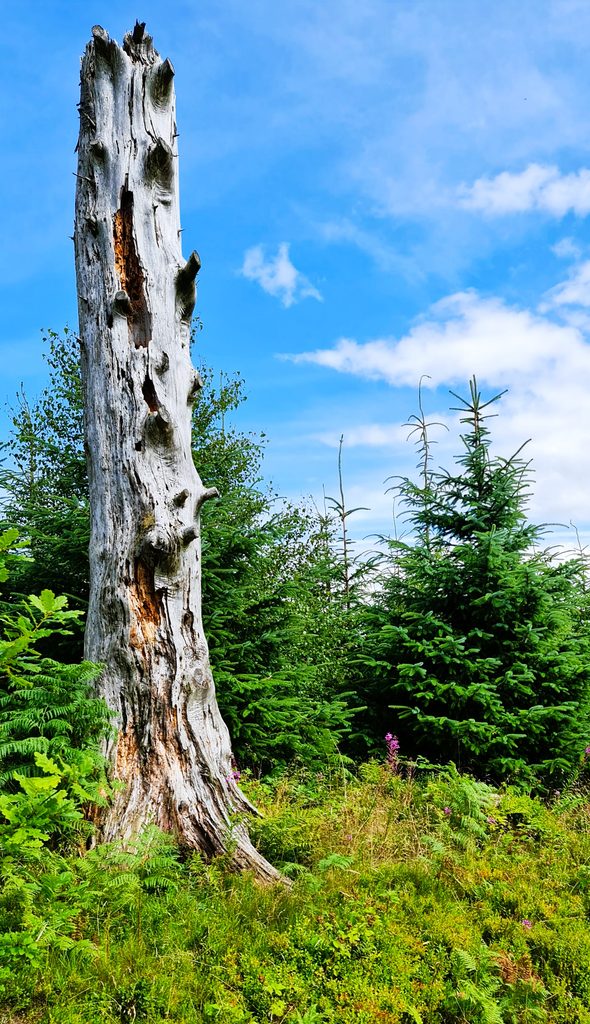
That pause can be uncomfortable.
It can also be where curiosity begins.
I think much of my work lives in that space.
Not in forcing people beyond what they can manage, but in creating opportunities to encounter something safely enough that they can decide what it means for themselves.
The uncontrollable
My work with animals taught me something early.
You cannot control another living being.
You can observe.
You can learn.
You can anticipate.
You can develop competence.
You can understand risk.
But you cannot guarantee what another living being will do.
Working with animals taught me something else, too:
knowing your limitations is not weakness.
It is part of competence.
There is a difference between stepping outside your comfort zone and stepping beyond your capacity.
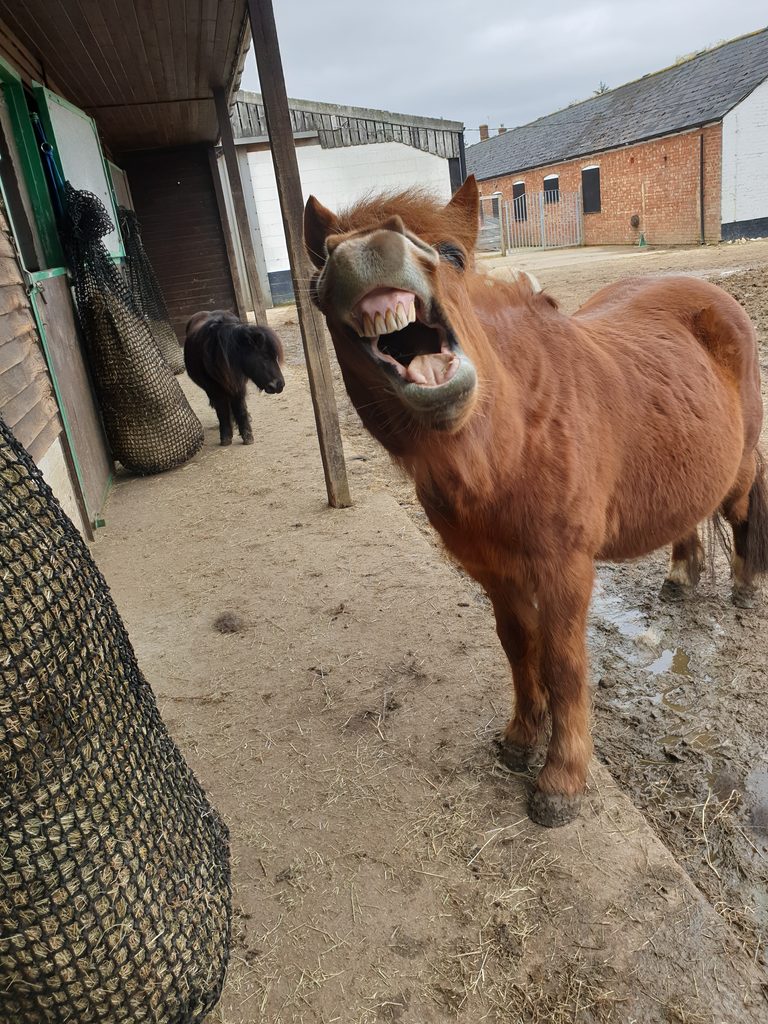
One can create growth.
The other can create harm.
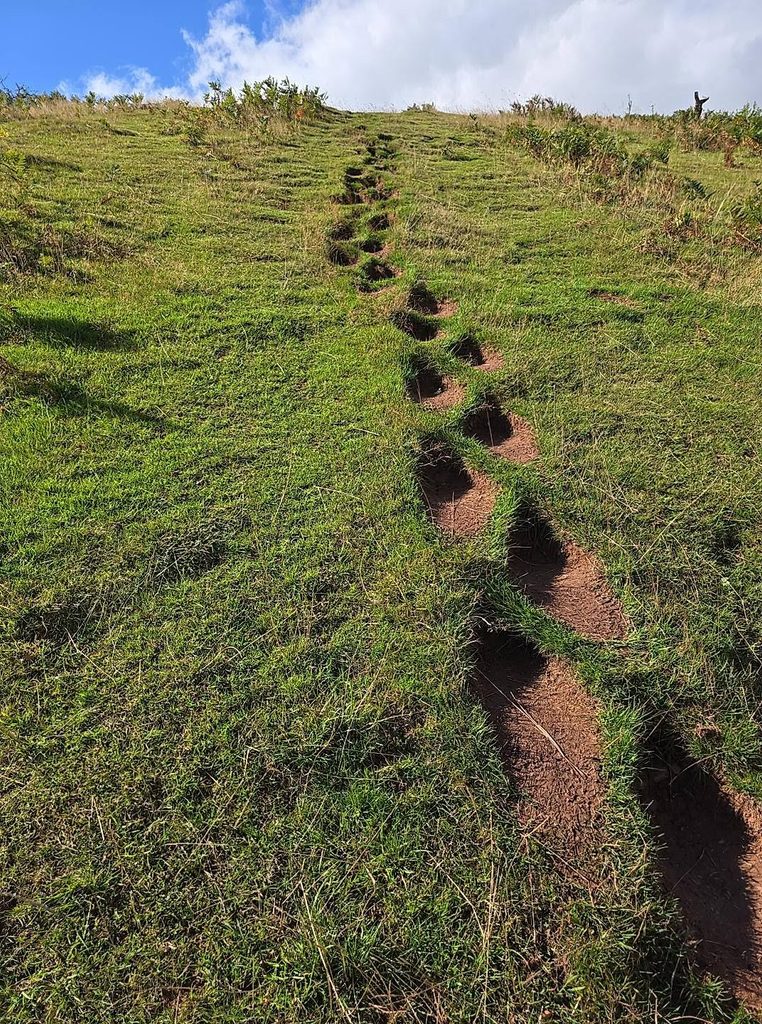
So I am interested in risk — but not in risk for its own sake.
I am interested in the point at which a person has enough knowledge, enough support and enough agency to decide whether they want to take the next step.
The Fool – Tarot
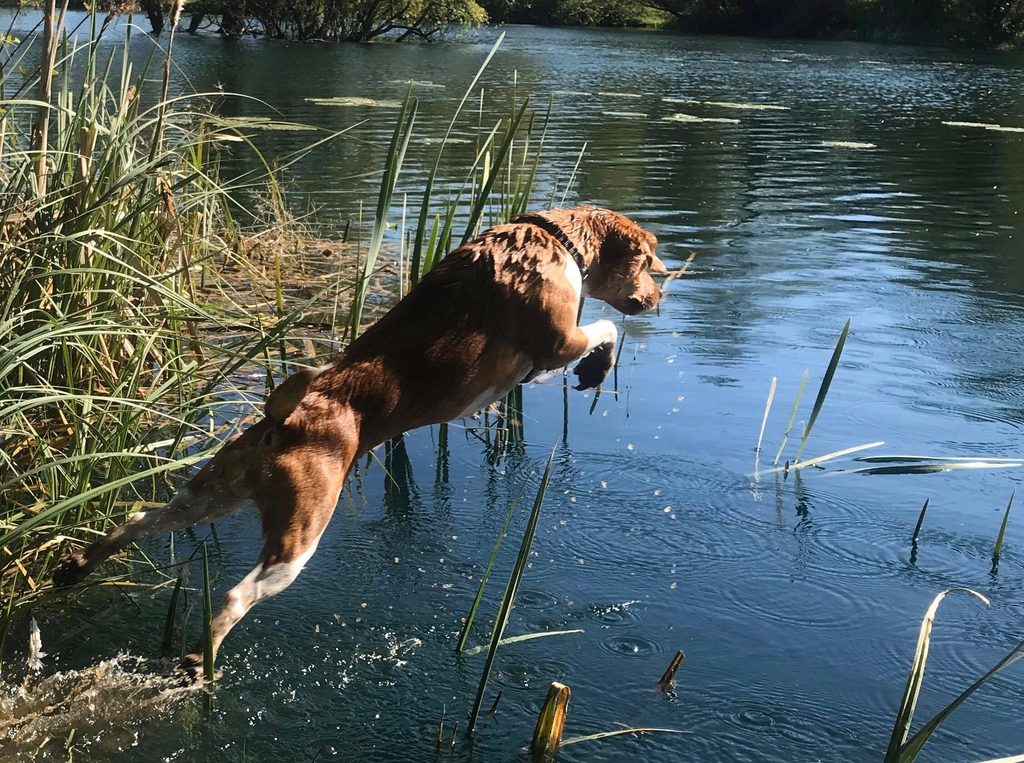
The Fool stands at the threshold.
There is something ahead, but he cannot know exactly what it will contain.
He cannot control the landscape.
He cannot guarantee the outcome.
He can, however, look.
He can notice.
He can consider what he is carrying.
He can recognise the edge.
And ultimately, he can choose whether to take the next step.
That choice matters.
Because I do not believe therapy should become another place where someone is told what they must do.
I do not want to be the person who says:
“This is the route.”
I would rather be the person who asks:
“Where are you?”
What can you see?
What is around you?
What have you brought with you?
What is familiar?
What is unfamiliar?
What feels dangerous?
What feels possible?
Where might there be another route?
And perhaps most importantly:
What do you want to do?
I have learned, repeatedly, that roles can obscure the people underneath them.
Teacher and pupil.
Keeper and animal.
Therapist and client.
Expert and learner.
But underneath every role are living beings encountering one another.
Two people can meet.
One can get something wrong.
The other can acknowledge it.
A rupture can be repaired.
The relationship can survive.
And sometimes the most meaningful thing that happens is not the technique, the activity or the advice.
It is simply being met by another being who is prepared to be present, curious and honest.
This is where Navigational Therapy begins.
Not with:
“What’s wrong with you?”
But:
“Where are you?”
You are not a problem to be solved.
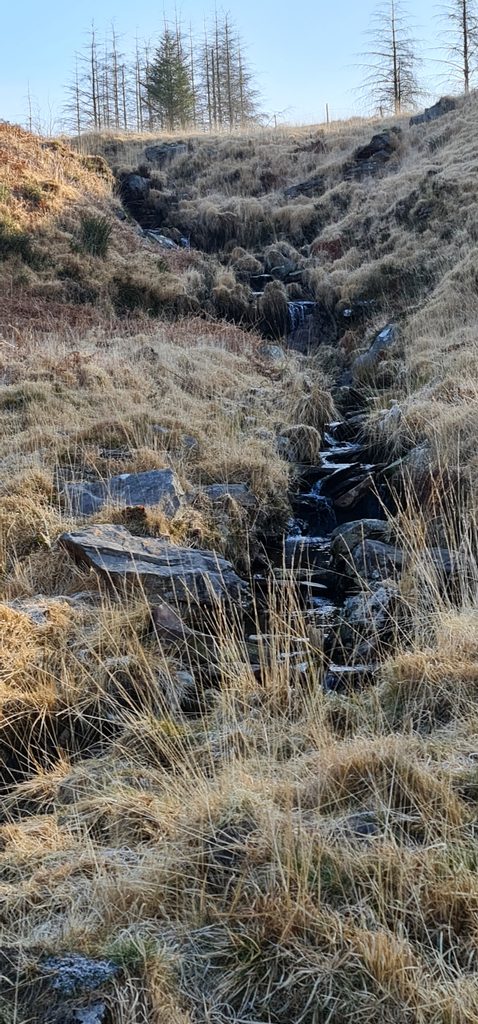
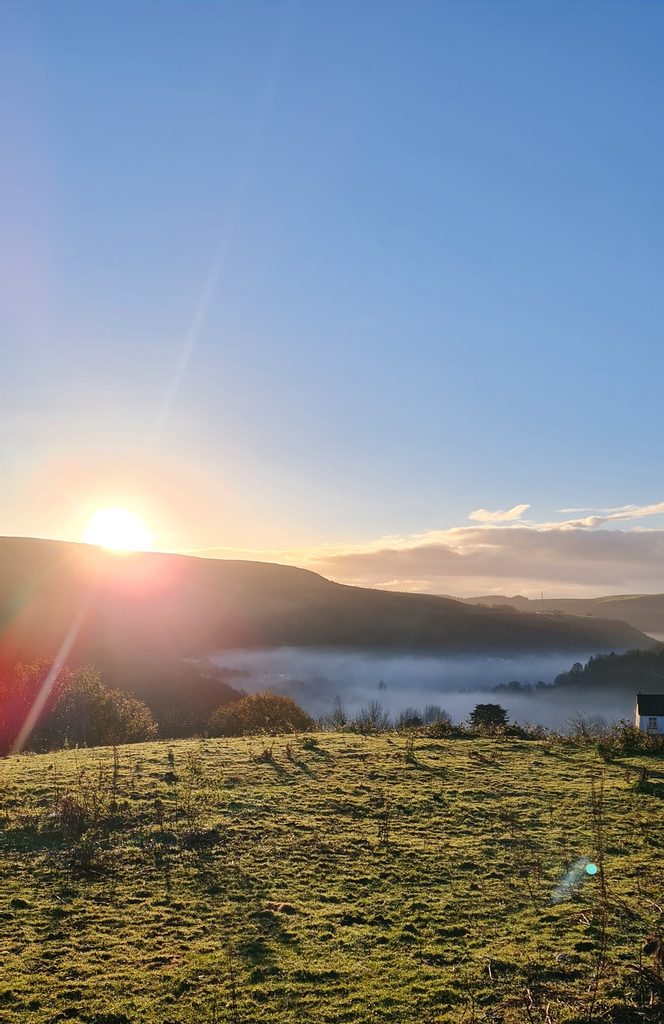
You are a person inhabiting a landscape.
Sometimes the landscape is familiar.
Sometimes it is strange.
Sometimes the route ahead is obvious.
Sometimes it disappears.
Sometimes it benefits us to move.
Sometimes, to stop.
Sometimes another perspective is required.
And sometimes acknowledging that something is beyond our current capacity is what helps most.
None of those things represents failure.
My role is not to take control of your journey.
It is to encounter you where you are, help you look at the landscape, and offer whatever tools, perspectives or possibilities might be useful.
You remain the navigator.
Perhaps that is what Force of Nature has been about all along.
Not control.
Not certainty.
Not having all the answers.
But encounter.
The liminal space.
The familiar becoming unfamiliar.
The unfamiliar becoming familiar.
The willingness to approach the edge without pretending we know what lies beyond it.
And the freedom to decide whether, when, and how we take the next step.
You cannot control everything you encounter.
But you can learn to navigate your relationship with what you cannot control.
And perhaps that is enough.
Perhaps that is where the journey begins.
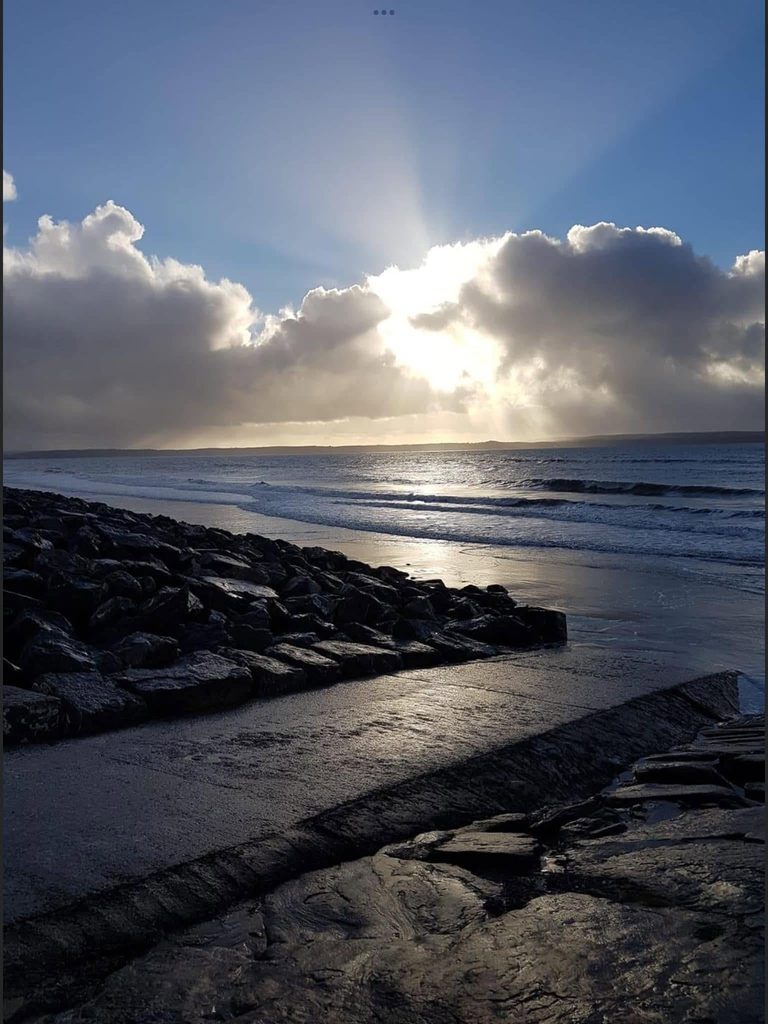
© Gill Thomas/Force of Nature 2026